Bee Cave Roofing Guide: Roofing a Fast-Growing Hill Country City
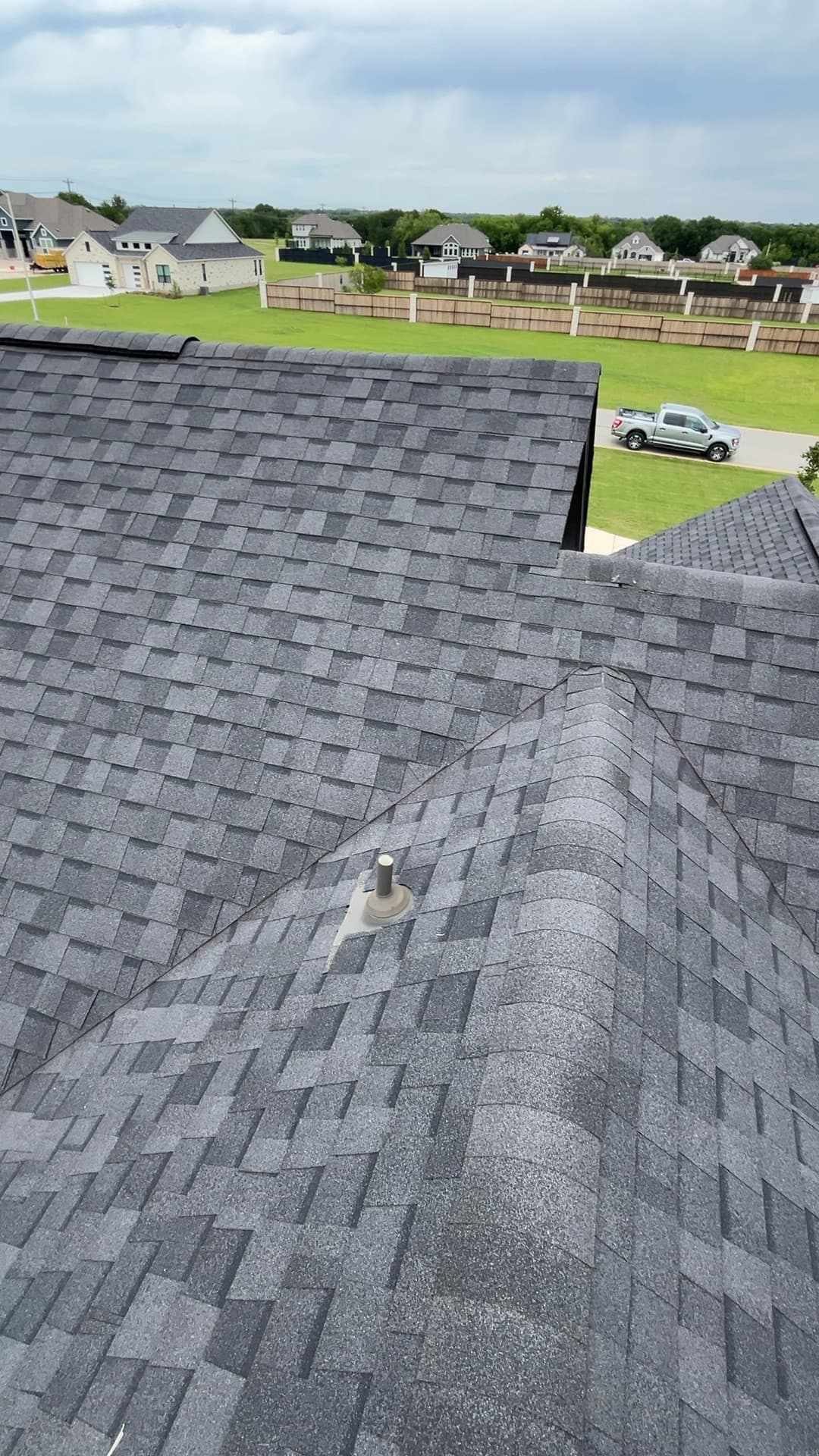
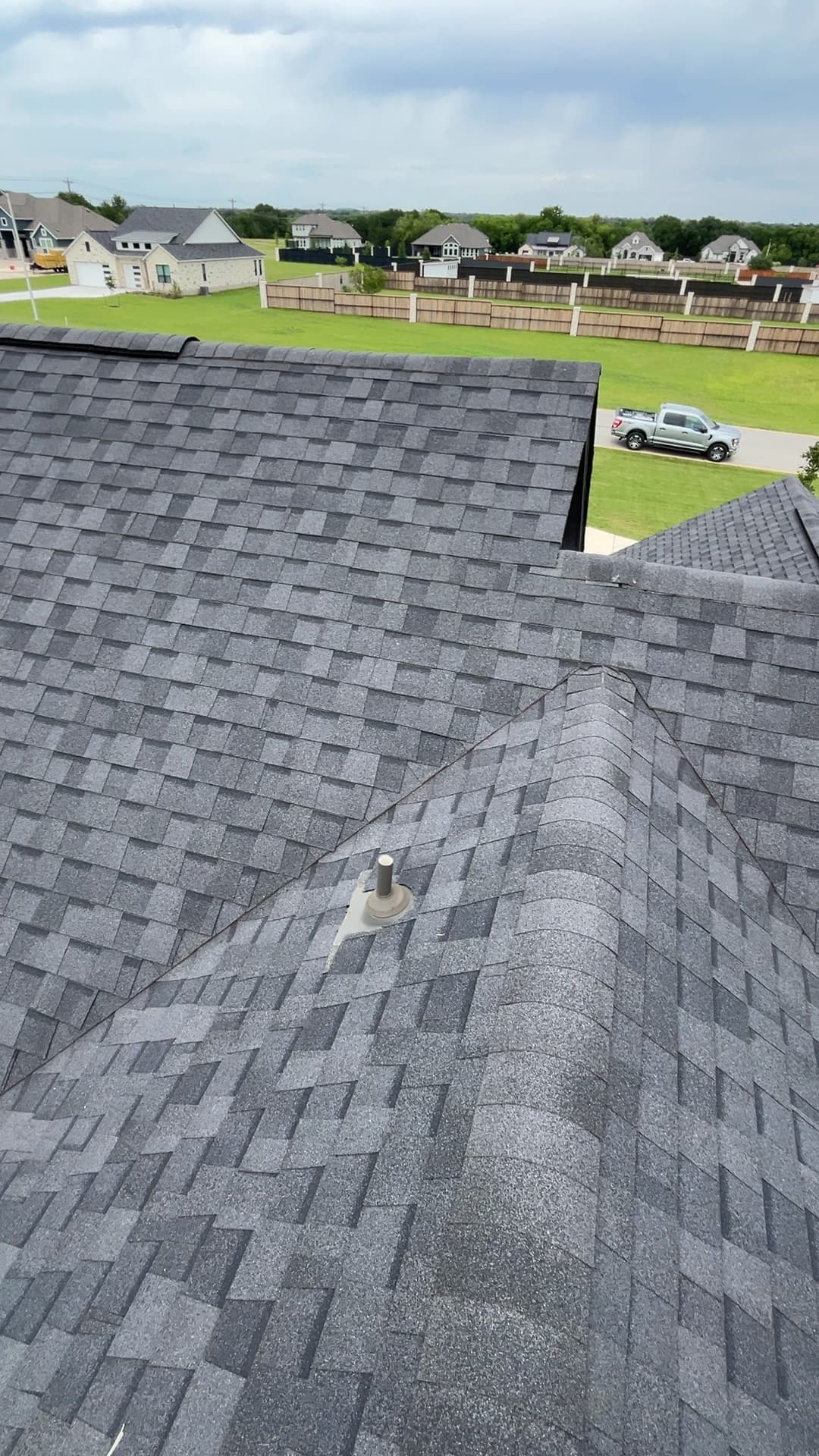
Quick answer: Bee Cave's roofing story is a growth story. Unlike lake-focused Lakeway to the west, Bee Cave's identity centers on the Hill Country Galleria retail corridor and the wave of new construction that's followed it — most homes here were built from the 2000s onward, not decades ago. That means less "aging roof at end of life" work and more decisions driven by hail exposure, HOA architectural review boards in newer master-planned communities like Falconhead and Spanish Oaks, and matching materials to homes that are, on average, larger and newer than the regional norm.
This guide covers what's specific to Bee Cave: its growth profile, its HOA landscape, and its hail-exposure risk. For the deeper dive on lakefront-specific material considerations (a factor that doesn't apply to landlocked Bee Cave), see our Lakeway guide — a useful comparison if you're deciding between the two markets.
A Newer City, A Newer Housing Stock
Bee Cave has grown from a small Hill Country crossroads into one of the more affluent, fastest-growing cities on Austin's western edge, largely anchored by the Hill Country Galleria — the open-air retail, dining, and entertainment development along Highway 71 that turned the area into a commercial hub rather than just a pass-through on the way to the Highland Lakes. That commercial growth pulled residential development along with it, and the practical result for roofing is a housing stock that skews newer than most Central Texas suburbs:
- Most Bee Cave homes were built 2000s-2020s, meaning fewer properties are hitting the natural 25-30 year shingle replacement window compared to older, more established communities.
- New-construction and insurance-driven decisions dominate over age-driven replacement — homeowners here are more often choosing upgraded materials at build time or after storm damage than replacing a roof simply because it's old.
- Homes tend to run larger than the Austin-metro average, which affects total project cost even when the per-square material pricing is similar to other Hill Country markets.
- Builder-grade starting points vary widely — a newer subdivision built on production-home standards has different baseline roofing than a fully custom estate in Spanish Oaks, so "what roof do I have" is worth confirming rather than assuming from a home's age alone.
Bee Cave's Communities
Spanish Oaks — The city's most exclusive address: 1,800+ acres anchored by Jack Nicklaus and Arnold Palmer golf courses, with estates from roughly $1M to $10M+. Its architectural review board runs the strictest process in Bee Cave — standard architectural shingles are frequently rejected in favor of designer shingles, tile, or other premium alternatives, and the approved color palette is narrow.
Falconhead — Bee Cave's largest master-planned community at 2,700+ acres, built around a public golf course, pools, trails, and a clubhouse. It's more family-oriented than Spanish Oaks, with a more moderate (though still active) architectural review process and a 3-4 week typical approval timeline — noticeably faster than Spanish Oaks' review.
Serene Hills (Bee Cave section) — Newer construction, mostly post-2005, with a straightforward architectural-shingle-minimum HOA standard and less design complexity than the golf communities.
The Highlands — A smaller gated community with custom and semi-custom homes and standard premium-material HOA expectations.
Hamilton Pool Road corridor — Some of Bee Cave's newest custom estate development, built mostly since 2010 on larger lots with more privacy. Many properties here have individual deed restrictions rather than a full HOA, so architectural requirements vary property to property — worth confirming directly rather than assuming a blanket community standard.
How Bee Cave's ARC Landscape Differs from a Lake Community
Because most Bee Cave HOAs govern newer, more uniformly-built subdivisions rather than decades-old established neighborhoods, architectural review tends to focus more on maintaining subdivision-wide consistency (matching a relatively narrow set of pre-approved products) than on case-by-case custom review. The practical implications:
- Faster, more standardized review in Falconhead, Serene Hills, and The Highlands compared to a highly custom, case-by-case process.
- Spanish Oaks is the exception — its review is closer to what you'd see in Lakeway's most exclusive communities, with detailed submission requirements and a narrow palette.
- Expect a submission package (material spec sheet, color sample, sometimes a site plan) and a review fee in the low hundreds of dollars, with most communities responding within 3-6 weeks.
- Keep your approval letter on file through the entire project and at resale — newer HOAs in growth markets tend to be more actively enforced than older, established ones.
Hail: The Factor That Matters More Here Than Almost Anywhere Else in the Guide
Bee Cave sits within Central Texas's active hail corridor, and its elevation (roughly 900-1,200+ feet, higher than Austin proper) and hilltop terrain expose many homes to more direct wind and hail impact than lower-lying areas. This is the single biggest driver of both roofing decisions and insurance claims in Bee Cave, more so than in lake-focused Lakeway.
What this means practically:
- Class 4 impact-resistant shingles are the standard recommendation, not an optional upgrade — they're rated to withstand hail impact significantly better than standard shingles, which matters given the frequency of hail events in this corridor.
- Many Texas insurers offer premium discounts for Class 4 roofing — ask your carrier directly, since discount structures vary by insurer, but it's a common enough practice that it's worth a phone call before you finalize material choice.
- High wind ratings matter on hilltop lots — 130 mph minimum wind rating is the standard recommendation for exposed Bee Cave sites, given the elevated terrain's wind exposure.
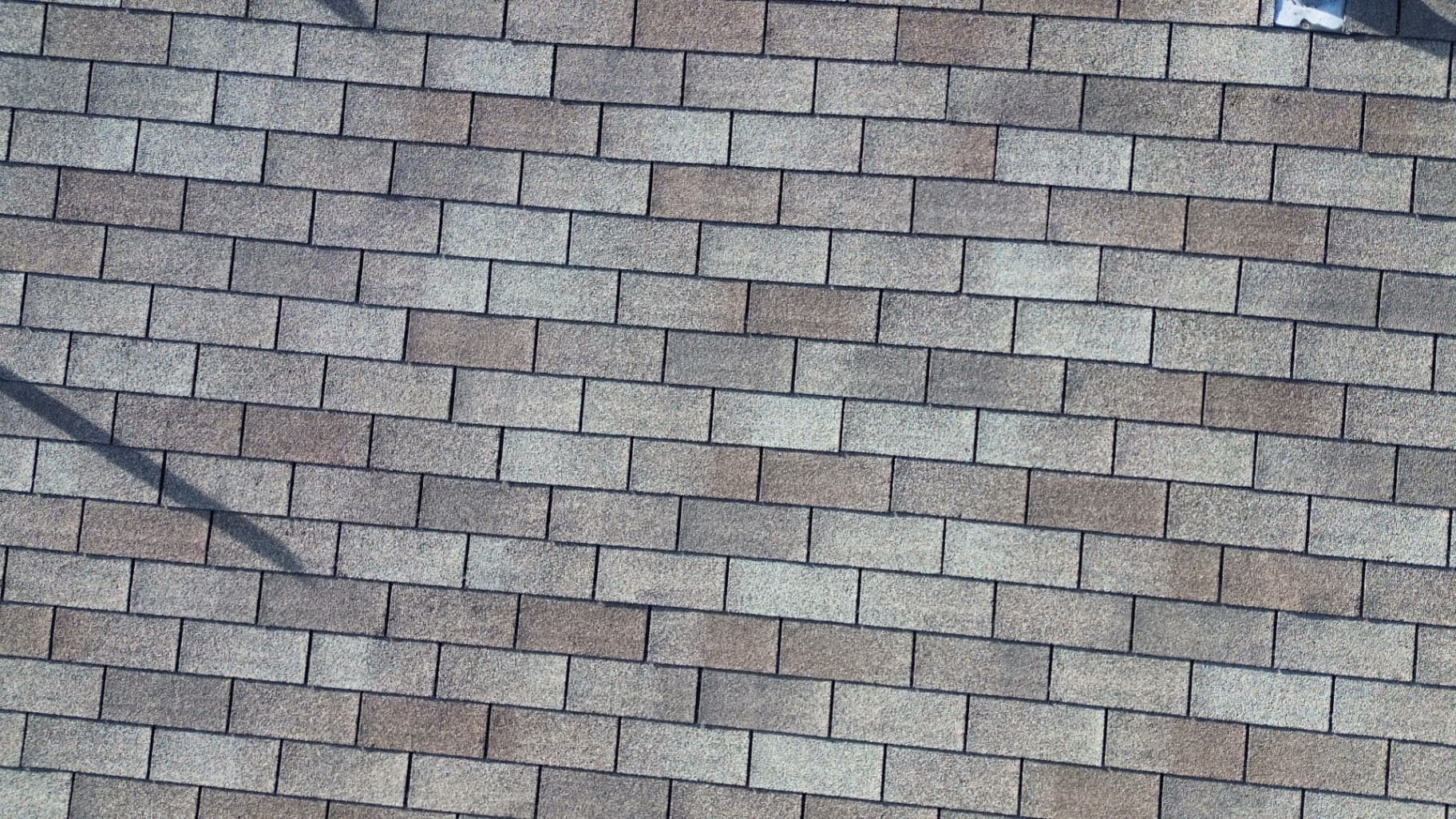
- Post-storm inspection matters even without visible damage — hail impact often shows up as granule loss and mat bruising that isn't obvious from the ground, so an inspection after any significant hail event is worth scheduling even if the roof "looks fine."
What Roofing Costs in Bee Cave
By Home Size and Material Tier
Medium-large homes (2,500-3,500 sq ft):
- Class 4 architectural shingles: $24,000-$42,000
- Designer shingles: $32,000-$55,000
- Standing seam metal: $55,000-$100,000
- Tile: $65,000-$125,000
Large homes (3,500-5,000 sq ft):
- Class 4 architectural shingles: $38,000-$65,000
- Designer shingles: $50,000-$85,000
- Standing seam metal: $85,000-$150,000
- Tile: $100,000-$180,000
Estate homes (5,000-8,000+ sq ft):
- Class 4 architectural shingles: $60,000-$110,000+
- Designer shingles: $80,000-$145,000+
- Standing seam metal: $140,000-$280,000+
- Tile: $165,000-$350,000+
What Moves the Price in Bee Cave Specifically
- Hillside access and terrain: Many Bee Cave homes sit on sloped lots that complicate equipment staging; crane or specialty lift access can add $2,000-$8,000, and difficult access generally adds 10-20% to labor time.
- Steep pitches: Common in Hill Country custom architecture, adding roughly 20-35% versus a simpler roof geometry.
- Class 4 material upgrade: A modest premium over standard architectural shingles, generally offset partially by insurance discounts where available.
- Larger average home size: Bee Cave homes run larger on average than the broader metro, which raises total project cost even at comparable per-square pricing.
- Engineering review: Complex custom projects sometimes require an engineering review, typically $800-$2,500.
- Oak canopy management: A professional arborist assessment before a re-roof runs $500-$3,000, and limb clearance is worth doing before storm season rather than after damage.
Material Recommendations, Ranked by What Matters Most Here (Hail Performance)
Class 4 impact-resistant architectural shingles are the default recommendation for the large majority of Bee Cave homes — GAF Timberline HDZ, Owens Corning Duration Storm, and CertainTeed Landmark Solaris all offer genuine Class 4 impact resistance at $180-$280 per square in materials, with 25-30 year expected lifespans and strong wind ratings built in.
Designer shingles (GAF Grand Sequoia, CertainTeed Belmont, Owens Corning Berkshire — $260-$370 per square) suit the more traditional Hill Country and Spanish Oaks-tier homes where HOA review expects a premium, non-standard product; confirm Class 4 rating is included in the specific product line, since not every designer shingle carries it.
Standing seam metal ($650-$1,700 installed per square depending on material) fits the contemporary architecture common in newer Hamilton Pool Road and Falconhead construction, and performs well against both hail and wind at the higher end of the market.
Tile ($750-$2,000 installed per square) suits Mediterranean and Spanish-style architecture, particularly in Spanish Oaks, but requires a structural load check given its weight.
Vetting a Contractor in a Growth Market
Bee Cave's rapid growth has attracted a lot of contractor competition, including storm-chasing crews that show up after hail events and disappear once the work is done. A few questions cut through that quickly:
- "Can I confirm your general liability insurance directly with your carrier?" — $1M+ coverage plus workers' compensation is the standard; a legitimate contractor doesn't hesitate to connect you with their carrier. (Texas doesn't issue a state roofing license, so insurance and manufacturer certification — not a license number — are what's actually checkable.)
- "Are you a local, permanent business, or a storm-season crew?" — ask for a physical business address and how long they've been reachable at the same phone number; storm-chasers are the specific risk to screen for in an active hail market.
- "What's your experience with [Falconhead / Spanish Oaks / your specific HOA]?" — a contractor active in the market should be able to describe that community's actual review process, not a generic answer.
- "Do you carry Class 4 products from multiple manufacturers, and can you show the certification?" — CertainTeed ShingleMaster Premier is a specific, verifiable credential (CertainTeed places it in the top 1% of contractors nationally); ask to see it rather than taking "certified" at face value.
- "How do you handle the insurance claim process if this is storm-related?" — a contractor with real claims experience can describe the adjuster-meeting and documentation process specifically.
Red flags specific to a hail-active growth market: door-to-door solicitation right after a storm, "today only" pricing pressure, any offer to pay or waive your deductible (illegal in Texas), and requests to sign an assignment of benefits before you've had an independent inspection.
Insurance Claims After a Bee Cave Hailstorm
Because hail is the dominant damage driver here, it's worth knowing the process before you need it:
- Document immediately — photos/video of visible damage, and note the storm date.
- File within 48-72 hours where possible — prompt filing gets you in the queue for adjuster inspection faster.
- Get an independent inspection from a local contractor before or alongside the adjuster visit — granule loss and mat bruising are easy to miss from the ground.
- Don't sign anything releasing your rights before you fully understand the settlement.
- You choose the contractor — the insurance company doesn't get to pick for you, and you're generally entitled to full replacement cost if your policy includes it, with depreciation refunded after completion.
Texas generally gives you a window of a year or more from the date of damage to file, but filing sooner while documentation is fresh is always the better move.
Why Ripple for a Bee Cave Roof
We're CertainTeed ShingleMaster Premier certified — a credential CertainTeed places in the top 1% of contractors nationally — and SBA Veteran-Owned Certified, a federal Veteran-Owned Small Business certification through the U.S. Small Business Administration. We carry $1M general liability insurance and workers' compensation, and we're a local, permanent business rather than a storm-season crew — reachable at the same number before, during, and long after any given storm.
For Bee Cave specifically, that means we spec Class 4 impact-resistant materials as the default, we handle HOA/ARC submissions for Falconhead, Spanish Oaks, and the rest of the market, and we manage the insurance claim process end-to-end when a job is storm-related.
Our Process
Phase 1 — Consultation (Week 1): In-home assessment, material selection with samples, written proposal, financing options if needed.
Phase 2 — HOA/ARC and permitting (Weeks 2-6): We handle your community's architectural submission and pull Travis County permits.
Phase 3 — Installation (3-10 days depending on size): Property protection setup, daily photo updates, project manager on-site, daily cleanup.
Phase 4 — Completion: Final inspection, walkthrough, magnetic sweep of the property, warranty documentation.
Get in Touch
Call: (512) 763-5277 Email: tx@rippleroofs.com Online: RippleRoofs.com/bee-cave
Frequently Asked Questions — Bee Cave Roofing
Q: Why does Bee Cave need a different roofing approach than an older Austin suburb? A: Most Bee Cave homes were built from the 2000s onward, so age-driven replacement is less common here than in older communities — decisions are driven more by hail exposure, new-construction material choice, and HOA standards in master-planned communities like Falconhead and Spanish Oaks than by roofs simply reaching end of life.
Q: How often does hail actually damage roofs in Bee Cave? A: Bee Cave sits within Central Texas's active hail corridor and its elevated, hilltop terrain increases exposure compared to lower-lying areas. Significant hail events occur regularly enough in this corridor that Class 4 impact-resistant shingles are the standard recommendation rather than an optional upgrade.
Q: Do Class 4 shingles actually lower insurance costs? A: Many Texas insurers offer a premium discount for Class 4 impact-resistant roofing, though the specifics vary by carrier — it's worth a direct call to your insurance company to confirm the discount available on your policy before finalizing material choice.
Q: How much does roof replacement cost in Bee Cave? A: Typical ranges run roughly $24,000-$150,000+ depending on size and material: $24,000-$55,000 for 2,500-3,500 sq ft homes with architectural-to-designer shingles, up to $60,000-$145,000+ for estate homes over 5,000 sq ft. Metal and tile run higher but last 50-100+ years; hillside access and steep pitches can add 15-30% to base costs.
Q: Does Bee Cave require HOA approval for a roof replacement? A: Most Bee Cave communities do — Spanish Oaks, Falconhead, Serene Hills, and The Highlands all have active architectural review. Some Hamilton Pool Road corridor properties carry individual deed restrictions instead of a full HOA, so it's worth confirming your specific property's requirements. Plan for 3-6 weeks of review time, longer for Spanish Oaks.
Q: Is a Texas roofing contractor license required to hire someone? A: No — Texas does not issue a state roofing contractor license, so there's no license to check. Verify insurance instead (confirm the Certificate of Insurance directly with the carrier) and manufacturer certification (such as CertainTeed ShingleMaster Premier), both of which are real, checkable credentials.
Q: Should I be cautious of contractors who show up after a hailstorm? A: Yes — active hail markets attract traveling storm-chasing crews that solicit door-to-door after major events and are difficult to reach for warranty issues once they leave the area. A local, permanent business with a fixed address and long-standing phone number is a meaningfully safer choice for storm-related work.
Bottom Line for Bee Cave Homeowners
Bee Cave's roofing decisions are shaped by its growth story: newer construction, active HOA review in master-planned communities, and a hail-exposure profile that makes Class 4 materials the right default rather than an upsell. Verify insurance and manufacturer certification rather than a license that doesn't exist, and be specifically cautious of storm-season door-knockers in this market.
Call: (512) 763-5277 Email: tx@rippleroofs.com Online: RippleRoofs.com/bee-cave
About Ripple Roofing & Construction
Ripple Roofing & Construction is a Round Rock, TX-based, owner-operated roofing contractor serving Bee Cave and the greater Austin area. We're CertainTeed ShingleMaster Premier certified (top 1% of contractors nationally) and SBA Veteran-Owned Certified.
Services: Roof Replacement, Storm & Hail Damage Restoration, Insurance Claims Assistance, HOA/ARC Submission Support
Serving Bee Cave: Spanish Oaks, Falconhead, Serene Hills, The Highlands, and the Hamilton Pool Road corridor
Contact: (512) 763-5277 | tx@rippleroofs.com | RippleRoofs.com
CertainTeed ShingleMaster Premier Certified | SBA Veteran-Owned Certified | $1M General Liability Insurance | 5.0/5 Stars on Google