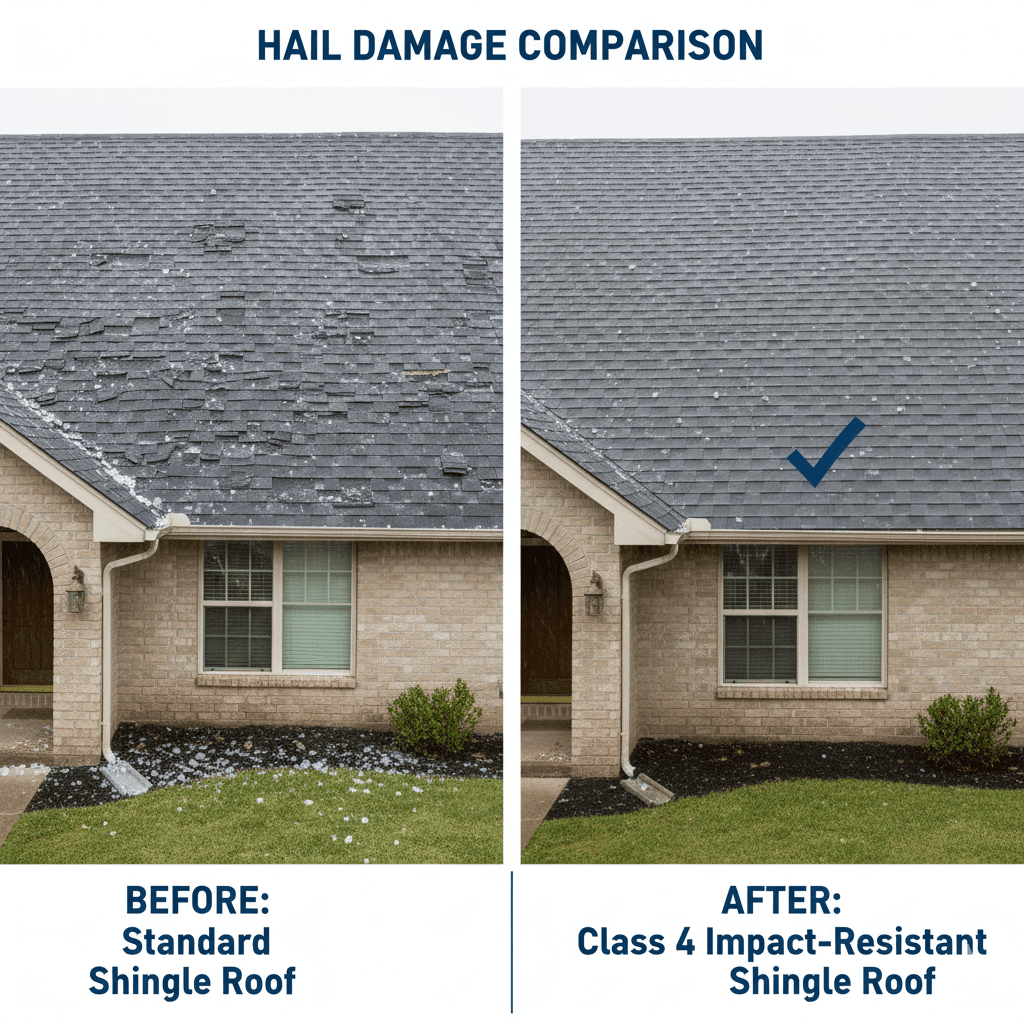
Georgetown Storm Damage Assessment: Identifying Roof Damage After Hail & Wind (2026)
Georgetown, Texas sits in Williamson County's "Hail Alley," experiencing frequent severe weather that can damage roofs, gutters, and property. After major storms, many homeowners struggle to determine whether they have damage and how to document it properly. As Georgetown's CertainTeed ShingleMaster Premier certified roofing contractor, we assess storm damage throughout the area and know exactly what to document for a strong insurance claim.
This comprehensive guide shows you how to safely identify potential storm damage, document it effectively, and understand when professional inspection is essential.
Georgetown's Storm Exposure
Recent Severe Weather Events
Georgetown's location northwest of Austin makes it particularly vulnerable to severe storms:
Spring 2024 Severe Weather
- Hail Size: Golf ball to baseball (1.75"-2.75" diameter)
- Areas Affected: Downtown Georgetown, Sun City, Berry Creek, Gabriel's Overlook
- Impact: Widespread roof and property damage across multiple neighborhoods
March 2023 Hailstorm
- Hail Size: Tennis ball-sized (2.5"+ diameter)
- Areas Affected: Northwest Georgetown, University Park, Heritage Oaks
- Impact: Significant damage to roofing materials and exterior components
2022 Multiple Storm Events
- Hail Size: Various sizes, baseball to softball in some areas
- Areas Affected: River Ridge, Cimarron Hills, Teravista (Georgetown section)
- Impact: Severe localized damage requiring professional assessment
Georgetown Neighborhoods Frequently Affected
Areas with Higher Storm Activity:
- Sun City: Large retirement community with extensive property
- Berry Creek: Established neighborhood with mature landscaping
- Gabriel's Overlook: Newer development in storm corridor
- University Park: Central location experiencing frequent weather
- Heritage Oaks: Mature area with aging roof systems
- River Ridge: Elevated terrain catching severe weather
- Cimarron Hills: Growing community with storm exposure
- Teravista (Georgetown section): Master-planned area affected by multiple events
Important Note: Georgetown's size means storms often affect specific areas while missing others. Localized assessment is important even if your neighborhood wasn't directly in the storm's path.
Understanding Storm Damage Types
Hail Damage Characteristics
Roofing Material Damage:
- Granule Displacement: Dark or shiny circular spots where granules knocked off
- Impact Dents: Visible divots or bruising on shingle surface
- Fractured Shingles: Cracks or splits compromising shingle integrity
- Exposed Substrate: Black asphalt showing through missing granules
- Random Pattern: Damage distributed irregularly (not uniform like aging)
- Fiberglass Exposure: Visible mat in areas of severe impact
Roof Accessories & Components:
- Dented gutters and downspouts (metal shows clear impact marks)
- Damaged gutter guards, screens, or covers
- Dented or cracked roof vents and turbines
- Compromised chimney caps and flashing
- Damaged skylight frames or seals
- Cracked rubber pipe boots
- Dented ridge vent caps or covers
Property-Wide Damage Indicators:
- Air conditioning condenser unit with visible dents
- Torn or punctured window screens
- Impact marks on painted siding or trim
- Fence panels or deck surfaces with dents
- Outdoor lighting fixtures damaged
- Mailbox or landscape feature damage
- Vehicle damage if parked outside during storm
Wind Damage Indicators
Primary Wind Damage:
- Missing shingle tabs or entire shingles
- Lifted, curled, or creased shingle edges
- Torn shingles with exposed underlayment (black tar paper visible)
- Missing or displaced ridge caps
- Damaged or loose starter shingles at roof edges
- Torn or lifted flashing around penetrations
Secondary Storm Damage:
- Fallen tree branches or debris on roof
- Debris lodged in roof valleys or against chimneys
- Detached or damaged gutters
- Torn or damaged soffit and fascia
- Displaced trim or architectural features
- Visible roof sagging or structural concerns
Storm-Related Water Damage
Interior Indicators:
- Ceiling stains or discoloration
- Water spots on walls, especially near roofline
- Attic moisture, dampness, or water staining
- Active dripping or leaking during rain
- Mold or mildew smell in attic or upper rooms
- Peeling paint on ceilings or upper walls
Exterior Water Concerns:
- Staining on exterior walls below roofline
- Compromised valley flashing allowing water intrusion
- Damaged or missing drip edge
- Standing water on flat roof sections
- Moss or algae growth (indicates chronic moisture issues)
Safe Assessment Procedures
Ground-Level Safety Inspection
Critical Safety Guidelines:
- NEVER climb on your roof without proper equipment and training
- Avoid using ladders if you're not experienced with them
- Stay clear of any downed power lines or electrical hazards
- Watch for loose debris that could fall
- Professional inspectors have proper safety equipment and insurance
Safe Inspection Methods:
1. Complete Property Perimeter Walk
- Photograph your home from all four sides at ground level
- Use quality binoculars to inspect roof surface from safe distance
- Check all gutters for visible damage or accumulation
- Look for shingle pieces, granules, or debris in yard
- Inspect all exterior components and fixtures
- Note any immediate safety or security concerns
2. Gutter and Drainage Assessment
- Look for dents, dings, or deformation in metal gutters
- Check for separated or loose gutter sections
- Note any bent, damaged, or detached downspouts
- Look for excessive granule accumulation in gutters (indicates shingle wear)
- Check that downspouts discharge properly away from foundation
3. Exterior Property Components
- Air conditioning condenser for hail dents or damage
- All window screens for tears, punctures, or damage
- Painted surfaces (siding, trim) for impact marks or chips
- Siding for cracks, displacement, or damage
- Outdoor light fixtures and equipment
- Fence, deck, and other structures
4. Yard and Landscape Inspection
- Photograph any hail stones with measurement reference (ruler, quarter for scale)
- Note size and location of any fallen branches or tree damage
- Look for roofing granules on driveway, walkways, or ground
- Check for pieces of shingles or other roofing materials
- Document all storm-related debris with photos
Interior Inspection Procedures
Attic Assessment (If Safely Accessible):
- Look for any daylight visible through roof decking
- Check rafters and trusses for water staining or marks
- Feel insulation for dampness or water saturation
- Note any active leaks, drips, or moisture
- Check for musty or moldy odors indicating moisture
- Inspect attic ventilation systems and components
Interior Living Space Check:
- Inspect all ceilings for stains, discoloration, or water marks
- Check walls, especially near roofline, for water damage
- Look for new cracks or structural concerns
- Note any areas that showed leaking during storm
- Monitor these areas during next rain event
- Check closets and corners where damage might hide
Effective Documentation Techniques
Comprehensive Photography Guide
Essential Photographic Documentation:
📸 Overview and Context:
- Entire house exterior from all four sides
- Complete roof from every accessible viewing angle
- Street view showing your property in context
- Neighboring properties (especially if showing damage)
- Yard and landscape showing storm debris or hail
- Wide-angle shots providing overall context
📸 Detailed Damage Documentation:
- Close-ups of dented or damaged gutters and downspouts
- Air conditioning unit or other equipment damage
- Any visible roof damage (use zoom or binoculars for detail)
- Window screen tears or punctures
- Hail stones with clear measurement reference (ruler, coin)
- Shingle pieces or roofing debris found on ground
- Impact marks on any painted or metal surfaces
- Multiple angles of the same damage for clarity
📸 Supporting Documentation:
- Camera/phone date and time stamp enabled
- Both wide-angle context and close-up detail shots
- Reference objects in frame for scale (ruler, coin, familiar object)
- Before photos if you have any available
- Current weather conditions when taking photos
- Timestamp showing how long after storm photos taken
Photography Best Practices:
- Natural daylight provides clearest, most accurate images
- Take more photos than you think necessary (storage is inexpensive)
- Never crop, edit, or apply filters to damage photos
- Save images in highest available resolution
- Organize files by date, location, and damage type
- Back up to multiple secure locations (cloud storage recommended)
- Preserve original, unedited files for insurance purposes
Written Documentation Log
Detailed Storm Event Record:
Event Specifics:
- Exact date and time storm occurred
- Duration of severe weather
- Hail size (your observation or weather service reports)
- Estimated wind speeds if known
- Type and intensity of precipitation
- When you first discovered or suspected damage
Damage Description:
- Specific items damaged (roof, gutters, AC, siding, etc.)
- Precise location on property
- Your assessment of severity
- Functional vs. cosmetic damage distinction
- Any immediate safety or security concerns
- Interior damage vs. exterior only
Supporting References:
- National Weather Service storm reports for Georgetown area
- Local news coverage or storm reports
- Neighbor damage observations or reports
- Prior professional roof inspection reports
- Historical maintenance and repair records
- Pre-storm property condition photos if available
When Professional Inspection is Necessary
Clear Indicators for Professional Assessment
Schedule Inspection Immediately If:
- ✅ Visible damage to gutters, roof, or any property components
- ✅ Active leaking or water intrusion occurring in your home
- ✅ Storm produced golf ball-sized hail or larger in Georgetown
- ✅ Multiple neighbors reporting damage or getting inspections
- ✅ Missing, lifted, or obviously damaged shingles visible
- ✅ Interior water stains, ceiling damage, or active leaks
- ✅ Tree or large branch fell on or struck roof
- ✅ Any structural concerns or safety issues identified
Strongly Consider Professional Inspection If:
- Severe storm passed directly through your neighborhood
- Your roof is 10+ years old and significant weather occurred
- Neighbors in your area are filing insurance claims
- You're planning to sell and want roof condition documented
- It's been 2+ years since your last professional roof inspection
- You notice any subtle damage indicators listed above
- Your insurance company requires professional damage assessment
Comprehensive Professional Inspection Services
Complete Professional Assessment Includes:
1. Thorough Roof System Evaluation
- Detailed inspection of all roof slopes and surfaces
- All flashing around chimneys, vents, skylights, and penetrations
- Ridge caps, hip caps, and all roof transitions
- Underlayment condition assessment (where accessible)
- Roof decking structural integrity evaluation
- All penetrations, vents, and roof accessories
- Complete gutter and drainage system assessment
2. Advanced Technology Documentation
- Professional-grade drone photography for comprehensive views
- High-resolution photographic damage documentation
- Thermal imaging to detect hidden moisture intrusion
- Precise measurements and material condition assessment
- GPS-tagged photographic evidence
- Video documentation when appropriate for clarity
3. Complete Property Assessment
- Full gutter and downspout system evaluation
- Soffit, fascia, and all exterior trim components
- All roof vents, turbines, and penetrations
- Attic ventilation systems and condition
- Interior moisture indicators and damage
- All storm-damaged related property components
4. Detailed Professional Report
- Comprehensive written findings with supporting photos
- Clear assessment of damage extent and severity
- Professional recommendations (repair vs. full replacement)
- Detailed scope of all necessary work
- Material specifications and available options
- Insurance-ready documentation package
Next Steps After Professional Assessment
If Damage is Confirmed
1. Review and Understand Assessment
- Thoroughly review all findings and documentation
- Ask questions about scope, severity, and recommendations
- Discuss urgency and recommended action timeline
- Review options (repair vs. replacement)
- Get clarification on technical terms or processes
2. Contact Insurance Provider
- Report damage promptly according to policy requirements
- Provide accurate storm date and basic damage description
- Request insurance adjuster inspection
- Have professional inspection report ready for reference
- Keep detailed records (claim number, adjuster name, contact info)
3. Prevent Additional Damage
- Arrange emergency tarping service if actively leaking
- Thoroughly document all temporary protective measures with photos
- Save all receipts for emergency services provided
- Don't authorize permanent repairs before adjuster inspection
- Continue monitoring condition for changes
4. Obtain Written Repair Estimates
- Get detailed scope of work from licensed, insured contractors
- Ensure estimates address all identified damage comprehensively
- Compare credentials, reviews, and references carefully
- Verify current licensing and insurance coverage
- Maintain organized documentation of all estimates and communications
If No Damage is Found
Value of Clean Inspection:
- Peace of mind about current roof condition and integrity
- Baseline documentation valuable for future reference
- Opportunity to discuss preventive maintenance strategies
- Clear understanding of roof's expected remaining service life
- Early identification of minor maintenance needs
- Documentation that can support property value
Ongoing Maintenance Strategy:
- Schedule annual professional roof inspections
- Address minor issues promptly before they escalate
- Maintain clean gutters and proper drainage
- Monitor roof condition after future severe weather events
- Keep updated photographic documentation of roof condition
- Plan proactively for eventual replacement if nearing end of lifespan
Georgetown Storm Season Preparation
Proactive Preparation Steps
Before Severe Weather Season Begins:
- Schedule annual professional roof inspection
- Clean all gutters and trim overhanging tree branches
- Secure or properly store loose outdoor furniture and items
- Document current roof condition with dated photographs
- Review homeowners insurance policy coverage details
- Update emergency contact information list
- Ensure roof vents, flashing, and components are secure
Emergency Preparedness Supplies:
- Quality flashlight with fresh batteries
- Emergency tarps and appropriate fastening materials
- Fully charged camera or smartphone for documentation
- Buckets and absorbent towels for potential leaks
- Copy of insurance policy and important documents readily accessible
- Updated contractor and insurance contact numbers
- Basic first aid kit and emergency supplies
Post-Storm Response Actions
Immediate Response (Within 24-48 Hours):
- Safely inspect entire property from ground level only
- Take comprehensive photographs and video documentation
- Record date, time, and specific storm characteristics
- Check thoroughly for interior leaks or water damage
- Note and photograph hail size if stones still visible
- Communicate with neighbors about their observations and damage
Follow-Up Actions (Within One Week):
- Contact qualified professional inspector if damage suspected
- File insurance claim promptly if professional confirms damage
- Arrange necessary emergency repairs with full documentation
- Monitor carefully for developing issues (leaks may appear days later)
- Save and organize all receipts, reports, and communications
- Maintain detailed chronological record of all actions taken
Why Georgetown Residents Trust Ripple Roofing
Our Georgetown-Area Credentials
Professional Qualifications:
- 🏆 CertainTeed ShingleMaster Premier Certified (top 1% of contractors nationwide)
- 📍 Local Central Texas Office serving Georgetown
- ⭐ 5.0 Star Google Rating
- 🛡️ Fully Licensed & Insured in Texas
- 🚀 24/7 Emergency Service available for urgent storm damage situations
Comprehensive Assessment Services:
- FREE detailed professional storm damage inspection
- State-of-the-art drone and thermal imaging technology
- Detailed written reports with comprehensive documentation
- Knowledgeable, helpful guidance through insurance process
- Educational, no-pressure consultation approach
- Same-day emergency response service when you need it
Proudly Serving All Georgetown Communities:
Sun City • Berry Creek • Gabriel's Overlook • University Park • Heritage Oaks • River Ridge • Cimarron Hills • Teravista • Downtown Georgetown • and all Williamson County neighborhoods
Frequently Asked Questions
How soon after a storm should I get my roof inspected in Georgetown? Within a few days if you suspect damage, and immediately if you notice any active leaking. Hail damage doesn't always leak right away, but granule loss and micro-fractures worsen with time and continued weather exposure.
Does my hail size have to meet a specific threshold to file a claim? No fixed size guarantees or excludes coverage — adjusters evaluate the actual damage, not just stone size. Golf ball-sized hail (1.75") or larger is a strong signal that a professional inspection is worth scheduling even without obvious damage from the ground.
Can I inspect my own roof instead of calling a professional after a storm? You can safely check the ground-level indicators — gutters, AC unit, screens, visible shingle damage. But hail damage on the roof surface is often only visible up close, and climbing on the roof yourself is a real fall risk. A free professional inspection is safer and more thorough.
What if the adjuster says there's no damage but my neighbors are getting new roofs? Request a reinspection, ideally with your contractor present. Adjusters miss damage, particularly on darker shingles or roofs with subtle granule loss. A documented second opinion is standard practice.
Get Your Free Storm Damage Assessment
Early Detection Makes a Difference:
After severe weather, prompt professional assessment identifies damage before minor issues develop into major problems. Our comprehensive inspection provides accurate evaluation and proper documentation for your peace of mind.
📞 Call (512) 763-5277
24/7 Emergency Service Available
🎯 Schedule FREE Inspection Today
Professional storm damage assessment and expert roofing services throughout Georgetown and all Central Texas communities. CertainTeed ShingleMaster Premier certified, fully insured, and locally owned.