Round Rock Storm Damage Assessment: Identifying Roof Damage After Severe Weather (2026)
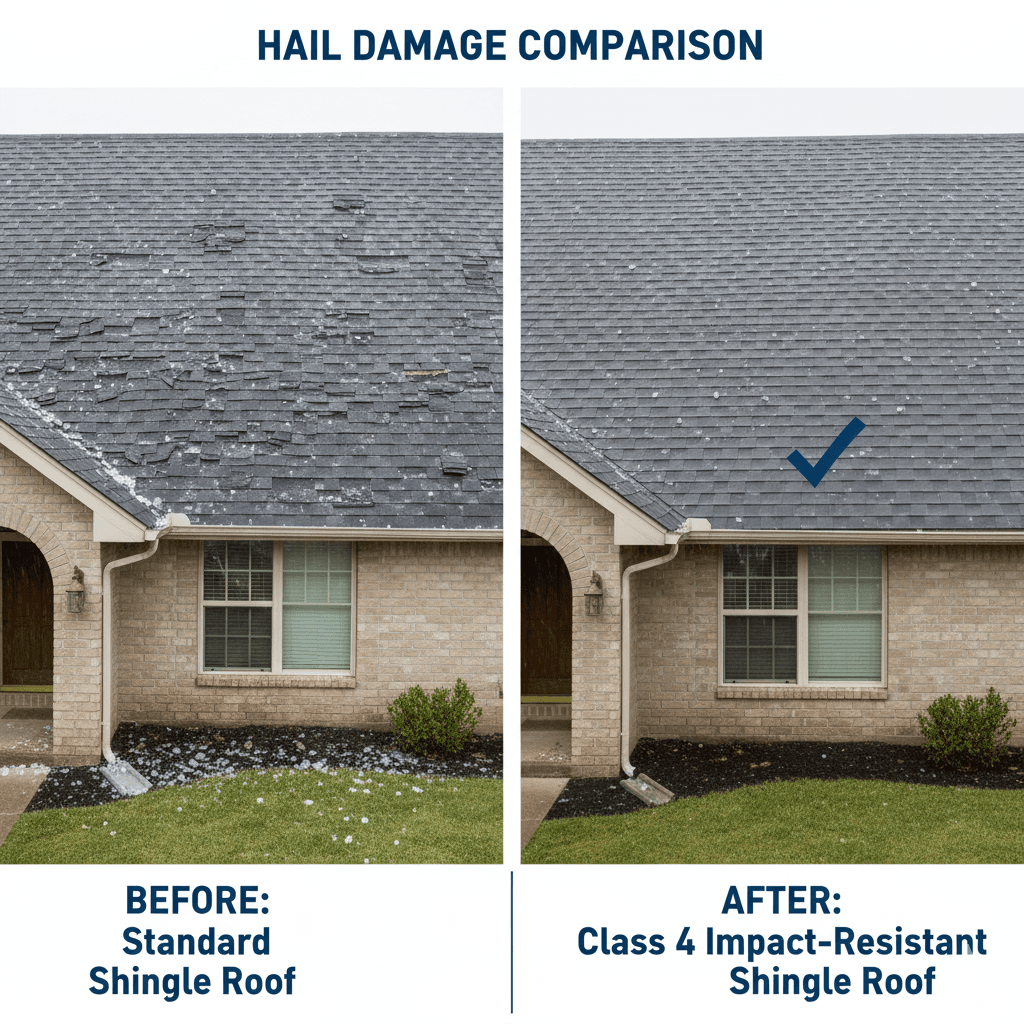
Round Rock experiences some of Central Texas's most severe hailstorms, with golf ball to softball-sized hail damaging roofs across the area in a typical storm season. After a major storm, knowing how to properly assess and document damage is crucial. As Round Rock's CertainTeed ShingleMaster Premier certified roofing contractor, we help homeowners understand storm damage and navigate the inspection process.
This comprehensive guide shows you how to safely identify storm damage, document it effectively, and understand when professional assessment is necessary.
Round Rock's Storm Exposure
Recent Severe Weather Events
Round Rock's location in Williamson County places it directly in the path of severe Central Texas storms:
April 2024 Hailstorm
- Hail Size: Golf ball to baseball (1.75"-2.75" diameter)
- Areas Affected: Downtown Round Rock, University Oaks, Brushy Creek, Teravista
- Impact: Widespread roof and property damage across the city
March 2023 Severe Weather
- Hail Size: Tennis ball-sized (2.5"+ diameter)
- Areas Affected: Round Rock Ranch, Forest Creek, Meadows of Chandler Creek
- Impact: Significant damage to roofing materials and exterior components
May 2022 Major Hailstorm
- Hail Size: Baseball to softball (2.75"-4" diameter)
- Areas Affected: Northwest Round Rock, including Cat Hollow, Walsh Tarlton, Paloma Lake
- Impact: Severe damage requiring extensive repairs across multiple neighborhoods
Neighborhoods with Higher Storm Impact
Round Rock Areas Most Affected:
- Brushy Creek: Large established community with direct storm exposure
- Teravista: Open terrain experiencing frequent hail events
- Cat Hollow: Newer development in active storm corridor
- Round Rock Ranch: Master-planned area with widespread storm history
- Forest Creek: Elevated location that catches severe weather
- University Oaks: Central location near downtown affected by multiple events
- Walsh Tarlton: Growing neighborhood with recent storm impacts
Important: Storm damage often isn't visible from the ground. Professional inspection with proper equipment is essential for accurate assessment. Start with our free Roof Inspection Checklist to document what you can safely see before calling us.
Recognizing Different Types of Storm Damage
Hail Damage Identification
Roof Surface Damage:
- Granule Loss: Dark or shiny spots where protective granules are knocked off
- Impact Dents: Visible divots or bruising on shingles
- Cracked Shingles: Fractures or splits in roofing material
- Exposed Substrate: Black asphalt showing through where granules are missing
- Random Pattern: Damage appears in irregular patterns (vs. uniform aging)
Accessory Damage:
- Metal gutters with visible dents or dings
- Damaged gutter guards or screens
- Dented roof vents or turbines
- Compromised chimney flashing
- Damaged skylight frames
- Cracked or broken pipe boots
Property-Wide Indicators:
- Dented or damaged AC condenser unit
- Window screen holes or tears
- Siding damage or paint chips
- Fence or deck impact marks
- Damaged outdoor light fixtures
- Vehicle damage (if parked outside)
Wind Damage Indicators
Shingle Damage:
- Missing shingle tabs or entire shingles
- Lifted or curled shingle edges
- Torn or ripped shingles
- Exposed underlayment (black tar paper)
- Displaced ridge caps
- Loose or missing starter strips
Structural Concerns:
- Damaged or detached gutters
- Compromised fascia boards
- Torn soffit panels
- Fallen tree branches on roof
- Debris in valleys or against chimneys
- Sagging or uneven roof sections
Water Damage from Storms
Interior Signs:
- Ceiling stains or discoloration
- Water spots on walls
- Attic moisture or dampness
- Mold or mildew smell
- Peeling paint near roofline
- Dripping or active leaks during rain
Exterior Signs:
- Water staining on siding
- Damaged or missing drip edge
- Compromised valley flashing
- Moss or algae growth (indicates chronic moisture)
Safe Self-Assessment Methods
Ground-Level Inspection
Safety First: NEVER climb on your roof. Professional assessment is safer and more thorough.
What You Can Check Safely:
1. Complete Property Walk-Around
- Photograph all four sides of your home
- Use binoculars to inspect shingles from different angles
- Check gutters for dents or damage
- Look for shingle pieces or debris in yard
- Inspect all ground-level property components
2. Gutter and Downspout Inspection
- Look for visible dents or dings in metal
- Check for loose or detached sections
- Note any bending or warping
- Inspect connections and fasteners
- Look for granules collecting in gutters
3. Exterior Component Check
- Examine AC unit condenser for hail dents
- Check window screens for holes or tears
- Inspect painted surfaces for impact marks
- Look at siding for cracks or damage
- Check outdoor lights and fixtures
4. Yard and Landscape Review
- Photograph any hail stones with size reference (ruler, quarter)
- Note fallen branches or tree damage
- Look for shingle granules on ground or driveway
- Check for pieces of roofing material
- Document storm debris
Interior Assessment
Attic Inspection (If Safely Accessible):
- Look for daylight showing through roof
- Check for water stains on rafters
- Feel insulation for dampness
- Look for active leaks or drips
- Note any musty odors
Living Space Check:
- Inspect ceilings in all rooms
- Look for water stains or discoloration
- Check walls near roofline
- Note any new cracks or damage
- Monitor for leaks during next rain
Proper Documentation Techniques
Photography Best Practices
Essential Photos to Capture:
📸 Wide-Angle Shots:
- Entire house from all four sides
- Full roof from best visible angles
- Street view showing neighborhood
- Neighboring properties if damaged
- Yard showing storm debris
📸 Detail Photographs:
- Close-ups of dented gutters
- Damaged AC unit or equipment
- Any visible shingle damage
- Window screen holes
- Hail stones with measurement scale
- Shingle pieces or debris on ground
📸 Context Documentation:
- Date and time stamp enabled
- Multiple angles of same damage
- Reference objects for scale (ruler, coin, etc.)
- Before photos if available
- Weather conditions during documentation
Photography Tips:
- Natural daylight provides best visibility
- Take more photos than you think you need
- Include both wide and close-up perspectives
- Don't edit or filter images
- Organize by date and location
- Save originals in multiple locations (cloud backup)
Written Documentation
Create a Storm Damage Log:
Date & Time Information:
- When storm occurred
- When you discovered damage
- Weather conditions during storm
- Hail size (from weather reports or observation)
Damage Description:
- Specific items damaged
- Location of damage on property
- Severity assessment
- Any immediate concerns (leaks, safety)
Reference Information:
- National Weather Service storm reports
- Local news coverage
- Neighbor damage reports
- Previous roof inspection dates
When Professional Inspection is Needed
Clear Indicators for Professional Assessment
Schedule Inspection Immediately If:
- ✅ Visible damage to gutters, roof, or property components
- ✅ Active leaking or water intrusion
- ✅ Your area experienced golf ball-sized hail or larger
- ✅ Multiple neighbors reporting damage or filing claims
- ✅ Missing or obviously damaged shingles
- ✅ Interior water stains or ceiling damage
Strongly Consider Professional Inspection If:
- Severe storm passed through your area
- Your roof is 10+ years old and a major storm occurred
- You're in a neighborhood where others sustained damage
- You plan to sell and want roof condition verified
- It's been 2+ years since last professional inspection
- You notice any of the indicators mentioned above
What Professional Assessment Includes
Comprehensive Inspection Services:
1. Complete Roof Evaluation
- Every roof slope and surface area
- All flashing around chimneys, vents, skylights
- Ridge caps, edges, and transitions
- Underlayment condition assessment
- Decking integrity check
- Penetrations and accessories
2. Advanced Documentation Technology
- Drone photography for inaccessible areas
- High-resolution damage documentation
- Thermal imaging to detect hidden moisture
- Detailed measurements and material assessment
- GPS-tagged photo documentation
3. Full Property Assessment
- Gutters and downspout systems
- Soffit, fascia, and trim
- All roof penetrations and vents
- Attic ventilation and moisture
- Interior indicators (if applicable)
- Related property components
4. Detailed Written Report
- Professional findings with photos
- Damage extent and severity
- Repair vs. replacement recommendations
- Detailed scope of work needed
- Material specifications
- Documentation suitable for insurance review
Understanding the Next Steps
If Damage is Identified
1. Review Professional Findings
- Understand scope and severity
- Ask questions about recommendations
- Discuss urgency and timeline
- Get clarification on repair options
2. Contact Insurance Company
- Report damage promptly (most policies require timely notification)
- Provide storm date and basic damage description
- Request adjuster inspection
- Have your documentation organized
3. Prevent Additional Damage
- Emergency tarping if actively leaking (document with photos)
- Keep receipts for emergency services
- Don't make permanent repairs before adjuster visits
- Continue monitoring for changes
4. Obtain Written Estimates
- Get detailed scope from licensed contractors
- Ensure estimates cover all necessary work
- Compare proposals carefully
- Keep all documentation organized
If No Damage is Found
Benefits of Professional Inspection:
- Peace of mind about roof condition
- Baseline documentation for future reference
- Opportunity to discuss maintenance needs
- Understanding of roof's remaining lifespan
- Proactive identification of minor issues
Ongoing Maintenance:
- Schedule regular inspections (annually recommended)
- Address minor issues promptly
- Keep gutters clean and clear
- Monitor after future severe weather
- Maintain documentation of roof condition
Preparing for Round Rock Storm Season
Before Severe Weather
Proactive Preparation:
- Schedule annual professional inspection
- Clean gutters and trim overhanging branches
- Secure loose outdoor items and furniture
- Document current roof condition with photos
- Review insurance policy coverage details
- Have emergency contact numbers accessible
Emergency Supplies:
- Flashlight with fresh batteries
- Tarps and basic fasteners (for emergencies)
- Camera or smartphone for documentation
- Bucket and towels (for potential leaks)
- Insurance policy and important documents
After the Storm
Immediate Actions (First 24 Hours):
- Safely inspect from ground level
- Take comprehensive photographs
- Document date, time, and storm severity
- Check for interior leaks or damage
- Note hail size if possible
- Check on neighbors (widespread damage indicator)
Within Days:
- Contact professional inspector if damage suspected
- File insurance claim if damage confirmed
- Schedule emergency repairs if needed (with documentation)
- Continue monitoring for developing issues
- Save all receipts and documentation
- Keep detailed records of all communications
Why Round Rock Trusts Ripple Roofing
Our Round Rock Credentials
Local Excellence:
- 🏆 CertainTeed ShingleMaster Premier Certified (top 1% nationwide)
- 📍 Round Rock Headquarters with permanent local office
- ⭐ 5.0 Star Google Rating
- 🛡️ Fully Licensed & Insured in Texas
- 🚀 24/7 Emergency Service for urgent situations
Comprehensive Assessment Services:
- FREE detailed storm damage inspection
- Advanced drone and thermal imaging technology
- Written reports with professional documentation
- Insurance process guidance and support
- No-pressure, educational consultation
- Same-day emergency service available
Serving All Round Rock Neighborhoods:
Brushy Creek • Teravista • Cat Hollow • Round Rock Ranch • Forest Creek • University Oaks • Walsh Tarlton • Meadows at Chandler Creek • and all Central Texas communities
Frequently Asked Questions
How soon after a storm should I get my roof inspected in Round Rock? Within a few days if you suspect damage, and immediately if you notice active leaking. Hail damage doesn't always leak right away, but granule loss and micro-fractures worsen with continued weather exposure.
Does a specific hail size guarantee my claim will be covered? No fixed size guarantees or excludes coverage — adjusters evaluate the actual damage. Golf ball-sized hail (1.75") or larger is a strong signal that a professional inspection is worthwhile even without obvious damage from the ground.
Can I inspect my own roof instead of calling a professional? You can safely check ground-level indicators — gutters, AC unit, screens, visible shingle damage. But hail damage on the roof surface is often only visible up close, and climbing on the roof yourself is a real fall risk. A free professional inspection is safer and more thorough.
What if the adjuster finds no damage but my neighbors are getting new roofs? Request a reinspection, ideally with your contractor present. Adjusters miss damage, particularly on darker shingles or roofs with subtle granule loss. A documented second opinion is standard practice.
Schedule Your Free Storm Damage Assessment
After Severe Weather, Early Detection Matters:
Don't wait for small damage to become major problems. Our comprehensive inspection provides accurate assessment and proper documentation for your peace of mind.
📞 Call (512) 763-5277
24/7 Emergency Service Available
🎯 Schedule FREE Inspection Today
Professional storm damage assessment and expert roofing services throughout Round Rock and Central Texas. CertainTeed ShingleMaster Premier certified, fully insured, and locally owned.